Matching the recording to the question
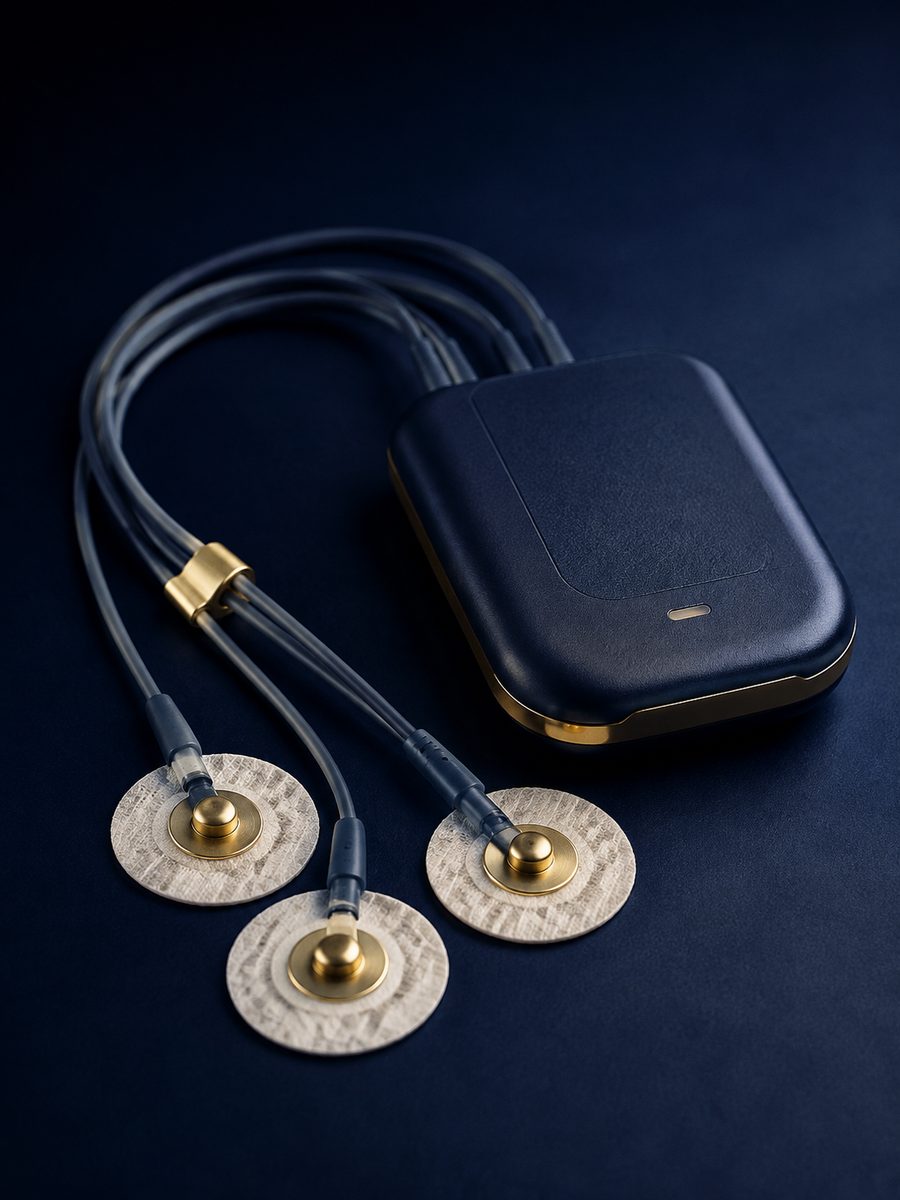
A resting ECG gives a brief view of rate, rhythm and electrical conduction. A Holter records during ordinary activities over an agreed period. In HLC care, this can help connect palpitations or other intermittent symptoms with a recorded rhythm, or support a clinician’s cardiovascular assessment.
What happens during recording
For a resting ECG, small electrodes are attached to the skin while you lie still. The electrodes detect signals; they do not send electricity into the heart. For ambulatory recording, the team explains how to wear the device, care for the electrodes and note symptoms and activities. Water and exercise instructions depend on the device.
What you learn from the report
The clinician reviews the trace and, for longer recordings, the rhythm summary and any symptom-related events. A normal short recording cannot exclude every intermittent rhythm problem. The report may therefore lead to reassurance, additional monitoring or a cardiology assessment, depending on the question and findings.