Why this matters in HLC care
When energy and recovery are a concern, it helps to separate a measurement of cellular respiration from a symptom such as tiredness. In selected cases the assay adds a closer look at sampled blood cells, while the clinical assessment checks common and treatable causes of fatigue.
A broader report can also include separate antioxidant and oxidative-damage measurements, such as glutathione fractions and markers of lipid or DNA oxidation, alongside selected nutrients. These add context but do not show that one supplement or infusion is required. The ordered panel determines which of these measurements you receive.
What the functional test shows
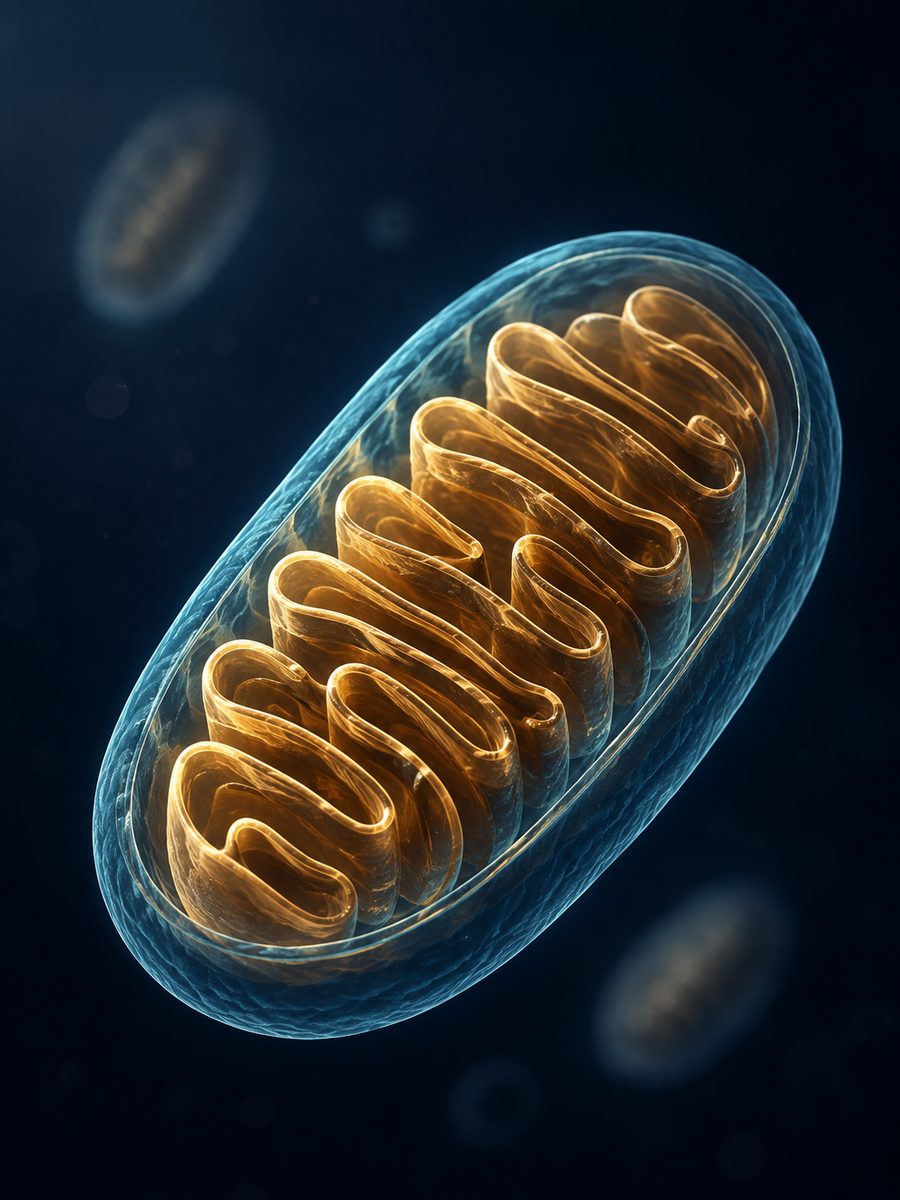
Mitochondria help cells convert nutrients into usable energy. In the laboratory, selected blood cells are exposed to controlled changes in the respiratory pathway. The resulting oxygen-consumption curve shows how the sampled cells respond under those conditions.
The report may combine several respiratory parameters into an index. The individual parameters matter as well: an index is a summary of the assay, not a direct measurement of energy production in every muscle, organ or tissue.
How the result becomes useful
Persistent fatigue or poor recovery can have many causes. The physician relates this result to symptoms, medication, sleep, activity and standard investigations. It does not by itself diagnose a mitochondrial disease or establish the cause of unexplained symptoms.
If the result is used for follow-up, record the assay version and sampling conditions. Newer versions can change the index calculation, so a numerical difference between versions may not represent a biological change. Agree a meaningful follow-up question before repeating the test.