Specialist procedures

Therapeutic plasma exchange (TPE)

Therapeutic plasma exchange separates blood cells from plasma, removes a prescribed portion of the plasma and returns the cells with replacement fluid. It is a specialist medical procedure whose value depends on a specific indication, a clear protocol and careful monitoring.

Showing availability for

Listed at Prague. The exact scope, preparation, clinician and price are confirmed with the team before booking.

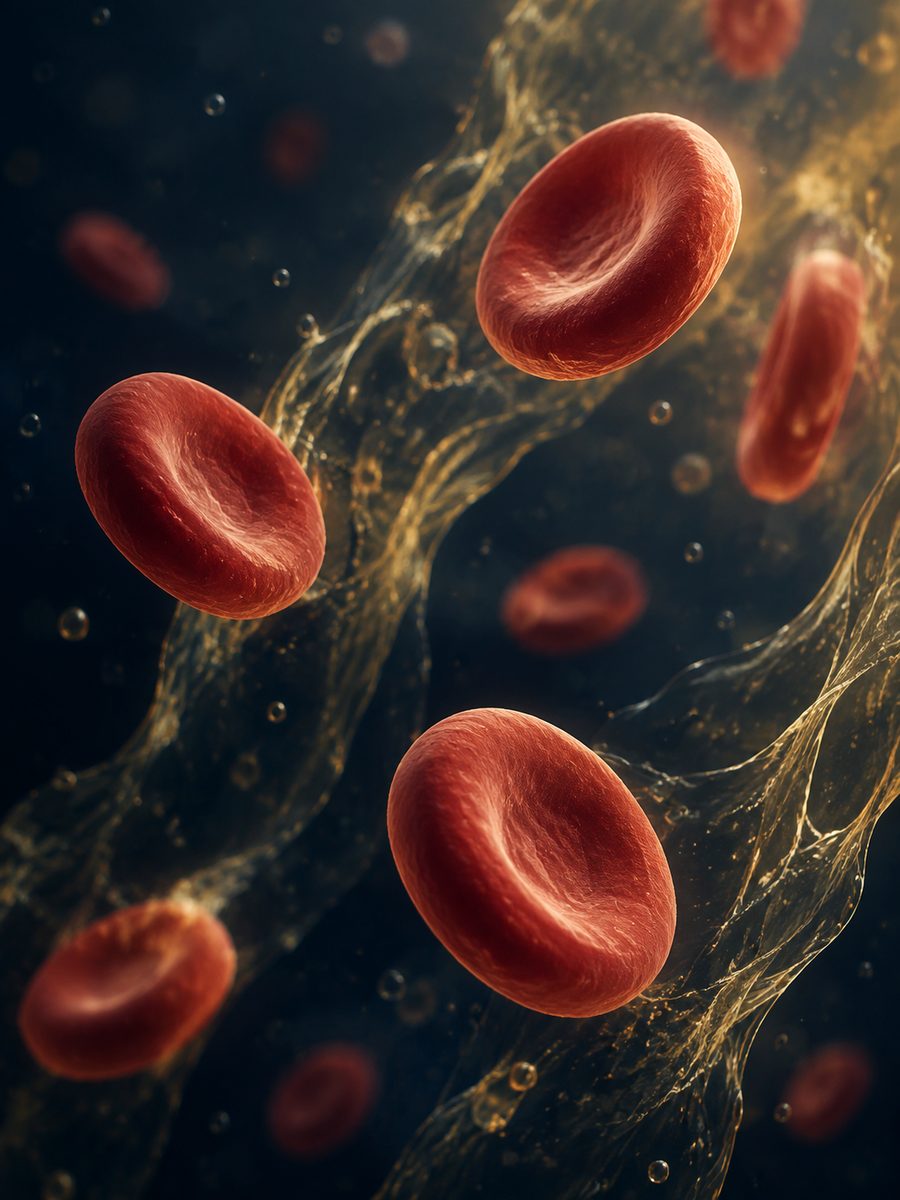
Plasma exchange procedure illustration

At a glance

What this involves at Prague

Available at this clinic

Scope and price are confirmed with the team before booking. Where a published price exists for your clinic, it is shown on the programme or clinic page.

Procedure
Blood passes through an apheresis system that separates plasma from cells. The cells are returned with the prescribed replacement fluid.
Access and monitoring
Suitable venous access and monitoring of vital signs and treatment-related symptoms; the specialist determines the actual arrangement.
Time at the clinic
The exchange can take several hours, with additional assessment and preparation. Your team confirms the appointment length and recovery arrangements.

TPE is a separate specialist procedure and is not included in the entry HLP. The specific reason for treatment, alternatives and replacement fluid are discussed before a decision.

In detail

Why the indication matters

Plasma carries proteins and other substances through the circulation. In selected medical conditions, removing circulating substances such as certain antibodies can form part of specialist treatment. That established use does not automatically establish benefit for general rejuvenation, prevention or removal of every environmental chemical.

In HLC care, the important conversation is which problem is being addressed, what evidence supports plasma exchange for that problem and what alternatives exist. A change in a blood biomarker after exchange is not, by itself, proof of longer life or lasting health improvement.

How the exchange works

The team checks the prescription, consent, relevant blood results and venous access. Blood then travels through sterile tubing into the separation system. An anticoagulant is used to reduce clotting in the circuit. Plasma is removed while the blood cells are returned with the prescribed fluid.

Replacement may involve albumin solution or donor plasma depending on the medical indication. These are not interchangeable choices for every person. The specialist decides the exchange volume, replacement, anticoagulation and any additional monitoring.

Before the procedure

Bring your medicine list and tell the team about bleeding problems, allergies, heart or kidney conditions and previous transfusion or apheresis reactions. Medicines may require a timing plan because plasma exchange can affect some circulating drugs. Do not stop or reschedule them without the treating clinician’s instructions.

Confirm food and fluid instructions, expected time, the access method and whether you need an escort or another arrangement afterwards. The patient guide describes the general procedure; your individual protocol determines the actual plan.

What the team monitors

Possible problems include a fall in blood pressure, reactions to replacement fluid, bleeding or infection related to access, and changes in calcium associated with the anticoagulant. Tingling around the mouth or fingers, chills, cramps, dizziness or breathing symptoms should be reported immediately.

Aftercare and review

Before leaving, receive instructions for the access site, medicines, activity and any follow-up blood tests. The number and spacing of exchanges depend on the indication and response. A treatment course should be reviewed against a clinical goal, not simply a laboratory change.

Illustrative example

What a plasma-exchange record explains

An illustrative example created to explain the report or care plan. Values and findings are fictional, are not personal results and are not treatment targets. Your report depends on the agreed service.

Illustrative example — fictional values, not a personal result, not a clinical target and not a normal range.

What the report describes

Illustrative report structure
MeasureIllustrative valueWhat it would indicate
Clinical purposeIndication and planned outcome recordedExplains why the exchange is being considered.
Procedure detailsAccess, replacement and monitoring documentedThese are individual medical decisions rather than a standard wellness recipe.
Response and follow-upTolerance, clinical review and aftercareThe record should connect the procedure with an accountable follow-up plan.

Questions people ask

Further reading

Published references

Related services

Often considered alongside this

Consultations and planning

Physician consultation

Discuss your findings, priorities and next steps with a physician. Scope and appointment length are agreed for the selected service.

Available at this clinic
Service details →

Ask about Therapeutic plasma exchange (TPE) at Prague

Listed at Prague. The exact scope, preparation, clinician and price are confirmed with the team before booking. Your choice of service and clinic is carried through to the next step.

Request a private consultation